
Aug 15th, 2026
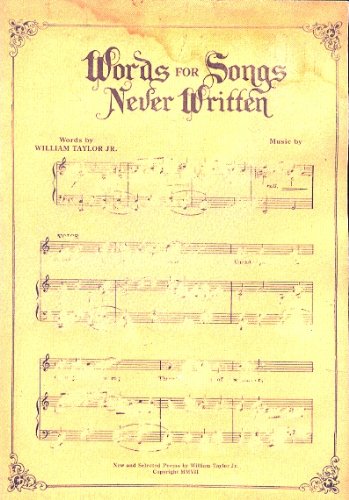
William Taylor Jr. finds his subject matter in the small, monotonous, and often disappointing corners of life. But what gives this collection its soul is his ability to take these ordinary moments (dead-end jobs, strangers in bars, failing relationships) and expose the loneliness and absurdity beneath them.
In "Sage," Taylor asks his manager how he tolerates the monotony of work.
It's like getting beat up
by the same bully
every day after school;
It's horrible,
but you get used to it
eventually.
Such is life in Taylor's world: unpleasant, repetitive, and yet somehow manageable. It's a resignation that follows him from bars to bedrooms and city streets.
In "Soft Music," two people come together for "a brief respite from the general loneliness of their lives." In "Boats," a girlfriend asks if he plans to leave her, while he suddenly realizes, "It wasn't so much leaving as it was never really having been there at all."
Even a young woman in "One More Question" lives visibly: "she wore her 26 years like a coat she had since grown tired of." Taylor doesn't need much space to make his point. A conversation, a stranger, a passing thought will do.
Sometimes his poetic eyes turn outward. "Symphony" recounts a homeless man who spends the day begging, finally earning enough for a 40-ounce bottle, then accidentally dropping it and watching his reward run in "little rivers through the cracks into the gutter."
"The Wheel" tackles the uncomfortable guilt of living comfortably while strangers elsewhere are raped, bombed, and murdered ... and the equally uncomfortable suspicion that, given the choice, they too might sit drinking beer in a seaside bar while bombs fell on people they had never met. Humanity, Taylor points out, is complicated that way.
Most of the poems are sketches of everyday life. But there are tinges of darkness, like in the poem, "To a Friend on the Occasion of Her 3rd Suicide Attempt" and "The Phone Call,"" where an ex-girlfriend talks about her 5 hospital stays in the last 9 months. Taylor is also interested in our smaller failures. In "Your Own Bloody Hands," he writes,
My own crimes
are common and paltry
little things
hardly worthy
of history books
Still, he admits, "they are, at least, my own." It's an unsentimental bit of self-reflection from a poet who later observes in "These Endless Nights," that "to be human is to be somehow damaged."
If the collection has a weakness, it's Taylor's reliance on bars and alcohol, imagery that starts to feel overly familiar as the poems accumulate. But maybe repetition is part of the landscape. People drink, work, fail, connect briefly, and disappoint one another. In Words for Songs Never Written, these small moments are enough to tell us something larger about who we are and possibly about life itself.
Buy the book on Amazon.
_________________________________________________________________