|
UNDERGROUND VOICES: FICTION - 05/2012
|
|
DYLAN TANOUS
LAWNS OF STRANGERS
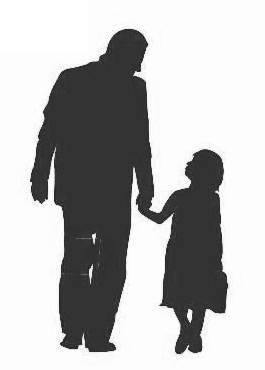
Lax and languid under a sun on the wane, he’s working up the will to work or at least move when he hears a girl’s voice say, And now she means more to you. He rises only to drop a magazine from his apartment’s deck. It flutters from the second floor and lands — or crashes really — on a shaded pocket of sidewalk. The girl looks up and he says, Just a minute. Downstairs she’s still on the phone, which he takes. He looks at the mouthpiece and thinks to explain, but instead hangs up. He slips the phone into the back pocket of her jeans and puts his hand on the small of her back. They step over his magazine, which he thinks he’ll get later. In the bodega she picks out a cheap bottle of white table wine because it’s hot out and the wine is cold and they plan on drinking it quickly, which they do. As soon as she falls asleep, he gets out of her bed, slips on his pants, picks up his shoes and shirt and heads to the door. Not yet, he thinks. He turns around and walks to her kitchen. In the refrigerator a sports drink and a can of beer perspire on the top shelf. He takes both to her couch and chases one with the other until he’s ready to leave. Not so fast, she says. I’ve given you everything. He’s trying to remember who bought the wine. She puts her back against the wall and rests her hands on her belly. I’m giving you a daughter, she says. He can’t remember asking for one, but instead he says, I’ll have to get a job. To which she replies, You have a job. She strokes her belly and says, You’ll have to keep your job. I’ll keep my job, he thinks. Her hands run up and down past her navel; she smiles. You might ruin everything, he says. We might be better on our own, she whispers back. I was thinking the same thing, he almost says, but he’s afraid she and he do not have the same we in mind. At the hospital he asks if he can hold his daughter and the nurse obliges. What’s her name? the nurse asks. He looks at the nurse’s nametag, the letters have spilled together. The light hurts his eyes so he squints while he thinks, but there are no clues and all he can hear is the squeaking of sneakers. The nurse is gone by the time he opens his eyes and says, I think we’ll let her decide. But her mother thinks otherwise. She names her daughter something he can’t remember around the time she takes up sleeping when she’s not crying and crying when she’s not sleeping and always on the couch in front of the TV. The fourth or fifth time he sees he’s without a couch or a mother for his child or a TV, he picks up his daughter and says they’re leaving. The mother cries, but no more than usual, and eventually says O.K. although it hadn’t been a question. She doesn’t ask where he’s taking their daughter. Moving out and moving in is something he’s done before and he remembers life with two is easier than three or even alone. They go back to his old apartment building; this time on the third floor because the light is better. We’re dependent on light to be happy, you know. The baby stops crying and whether he notices her or not he says, I’m more dependent on it than I’d like to be. At a certain point, the baby is no longer a baby and she’s sitting on the kitchen counter watching her father slice a banana. I am beginning to know your love, he says. She laughs and tells him he’s funny. She takes a slippery sliver of banana and with her tongue she crushes it against the roof of her mouth. He wonders why he can’t stop smiling. She sticks out her banana-splattered tongue. She takes a name, at his suggestion, when he kisses her goodbye before her first day of kindergarten. Get a feel for the place, the students, and name yourself accordingly, he advises. And so she does. He thinks it suits her. You’d be surprised how much you miss walking when you have a car, he says to himself and maybe to her. He carries her backpack and she watches her friends pile into the backseat of cars. It’s hot outside for what feels like the hundredth day in a row. They take off their shoes and walk across the lawns of strangers. Halfway home they slip on their shoes and slide into a pew. He stares up, breathes in thin, musty air and cedar. He wants a glass of cold white wine and she wonders if it’s possible to miss a car you’ve never had. After he’s stopped carrying her backpack and she’s old enough to prefer rides from friends, she asks expectantly, as if he might know, Am I like my mother? He thinks long but not very hard before saying, You’re more than your mother ever was — at least to me. And for what it’s worth, it’s the truth. He hopes it was the right thing to say; he’d like to set an example. But do I look like her? she asks sweetly, but her patience may have thinned. He looks at her for a long time, but it doesn’t take him very far. Her mother was a bit older than she is right now. He doesn’t tell her this, instead he just stares until she says, You’re going to be late, Daddy. The corners of his lips part — he doesn’t mean to smile, but does. She ties a Windsor knot around her own neck then slips it off and puts it around his. She leans him back as he once leaned her so many times before. She strides away from his casket and stops a few steps shy of the door. She can’t remember why they used to come here. It was on the way and out of the sun, she thinks as she walks past her car. She slips off her pumps and lets her toes sink in between the blades of a stranger’s grass. Dylan Tanous lives and writes in Hollywood, Ca. By day, Tanous splits his time between his first novel, and a slew of scripts. By night, he politely informs the patrons of his bar that he’s not an aspiring actor. The patrons don’t believe him. |
|
© 2004-2012 Underground Voices |
|
|